
The Rwanda Media Programme (RMP) has handed over redesigned student magazine websites to four universities, with student press cards expected to be available by December.
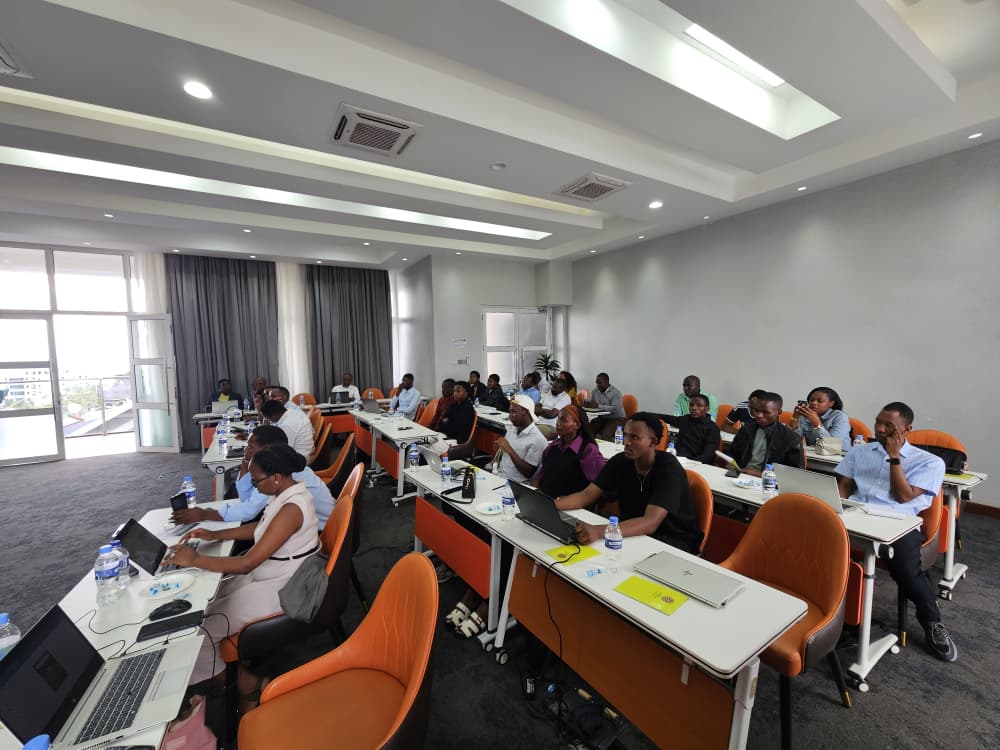
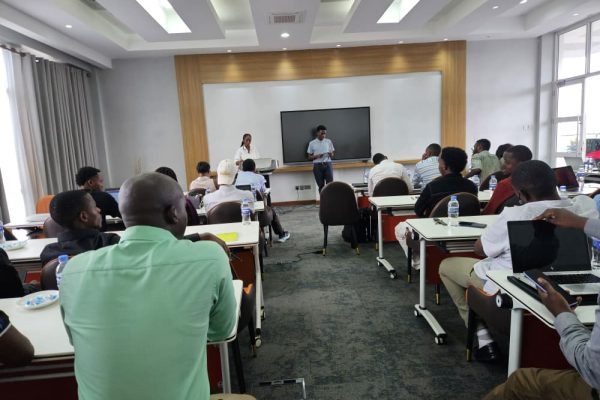
The handover took place at Kigali Paramount Hotel in Kicukiro on Monday, October 19, marking the final phase of RMP’s mentorship cycle, which ran from May to October 2026. The programme transferred technical and editorial responsibility for the websites to the universities’ teams.
The participating institutions were East Africa University Rwanda (EAUR), the University of Rwanda (UR), Mount Kigali University (MKU) and Institut Catholique de Kabgayi (ICK).
Each university delegation included a dean or head of department, an information technology representative and student editors. RMP also emphasised the participation of first- and second-year students and female students.
During the first session, web developers demonstrated how to add, edit and publish stories. Students also raised technical challenges, including uneven paragraph spacing, images failing to display on the websites and a 1 MB upload limit per image.
The developers explained that the upload limit helps prevent large images from slowing down websites and consuming excessive storage space. RMP said the technical issues would be reviewed over time.
In the second session, each university presented its strengths, weaknesses and requests for further support.
ICK highlighted its consistent publication of written content and existing sponsorship, but acknowledged that it rarely produces broadcast content.
EAUR reported more than 60,000 Instagram views in 18 days and over 2,800 followers on X. The university also highlighted its regular editorial meetings, during which students review and edit one another’s work.
UR cited a former Kaminuza Star student writer who now works in the media, noting that the magazine provides students with practical experience. MKU, meanwhile, said the meeting had encouraged it to hold editorial meetings more frequently.
The universities identified transport costs, class schedules and the lack of press cards as challenges affecting field reporting. They also cited limited access to studio equipment as an obstacle to producing broadcast content.
Students called for more training sessions to reach additional participants and requested continued support for their magazines after RMP’s programme ends.
Responding to the concerns, RMP said it had discussed student press cards with the Rwanda Media Commission (RMC), adding that the cards were expected to be available by December.
RMP University Coordinator Claudine Mahoro said motivation money follows good work and encouraged students to develop their own motivation. She also thanked university mentors and lecturers for supporting students in their daily work, urging the teams to sustain their magazines after the programme closes.
RMP mentors Anne and Assouman also thanked the students and university mentors. Assouman welcomed the programme’s emphasis on practical skills, while university mentors expressed appreciation for the initiative, which has been running for five years.