

Journalism students could be involved in monitoring media content in Rwanda under a proposed partnership between journalism educators and media stakeholders aimed at promoting ethical reporting and improving professional standards.
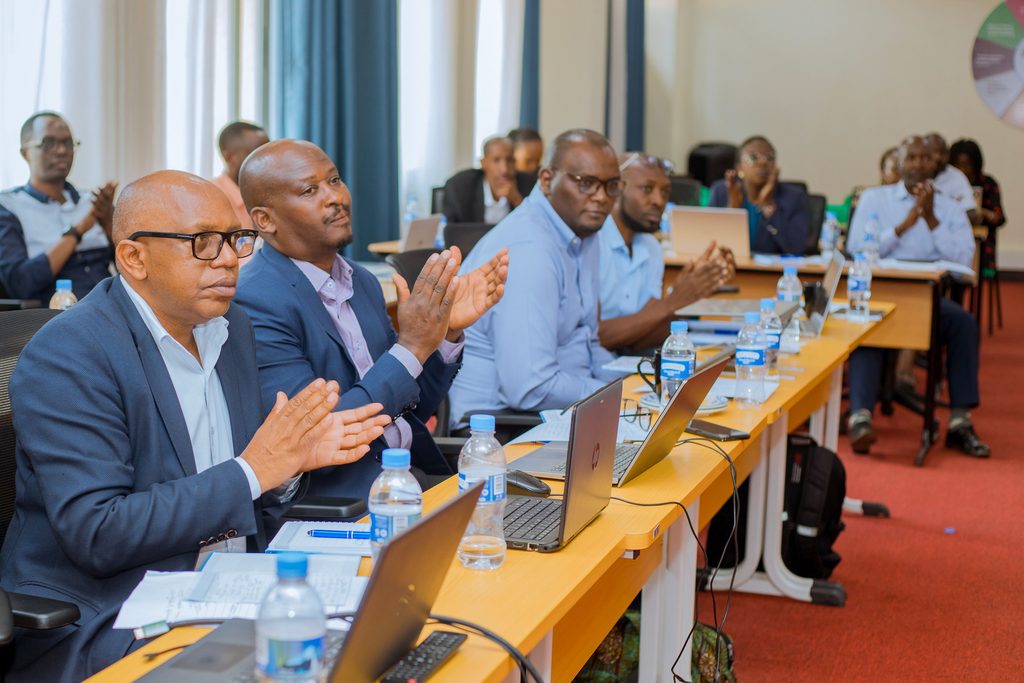
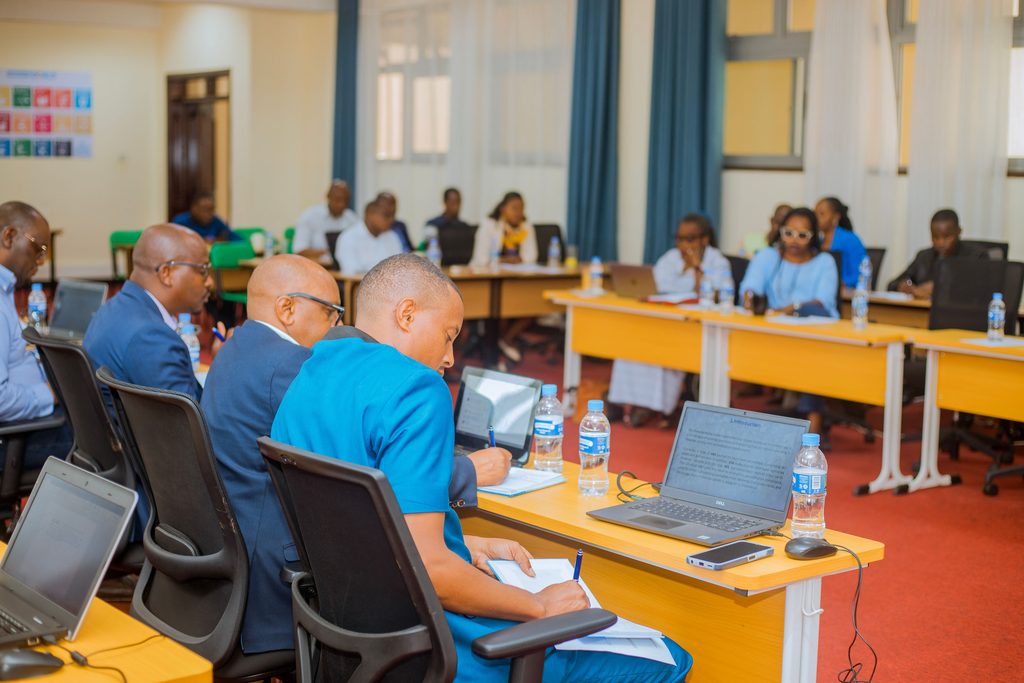
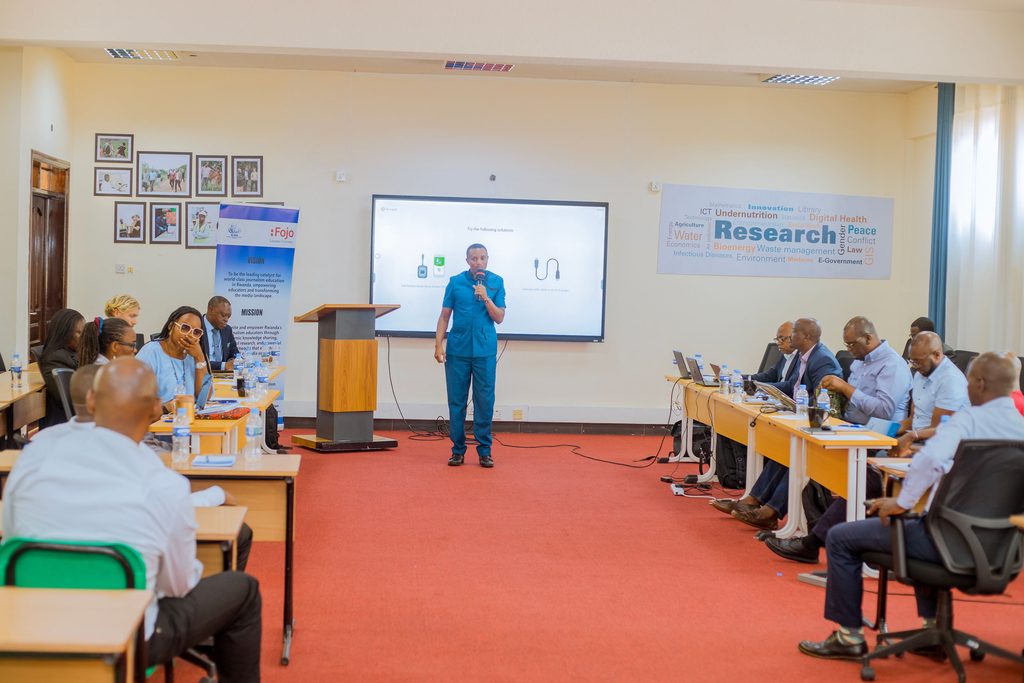
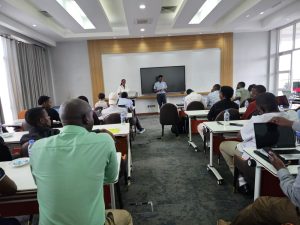
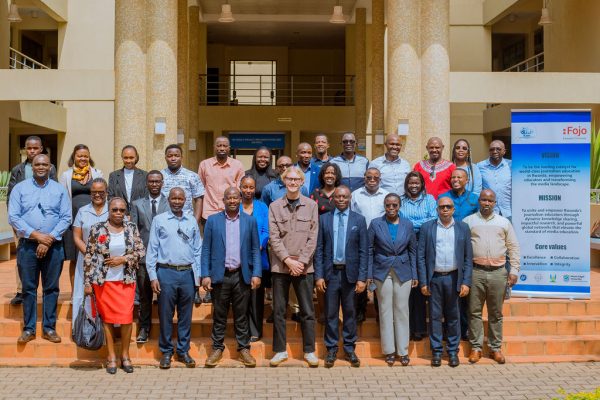
The proposal was discussed at a meeting of the Rwanda Journalism Educators Network (RJEN) and its partners at the University of Rwanda’s Gikondo campus on Friday, October 23.
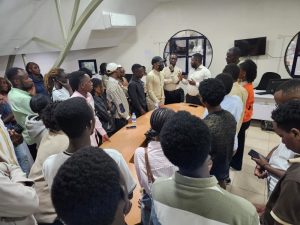
The meeting brought together journalism educators, the Rwanda Media Programme, media regulators, journalists, civil society representatives and students from four universities to discuss ways to strengthen journalism education and professional standards.
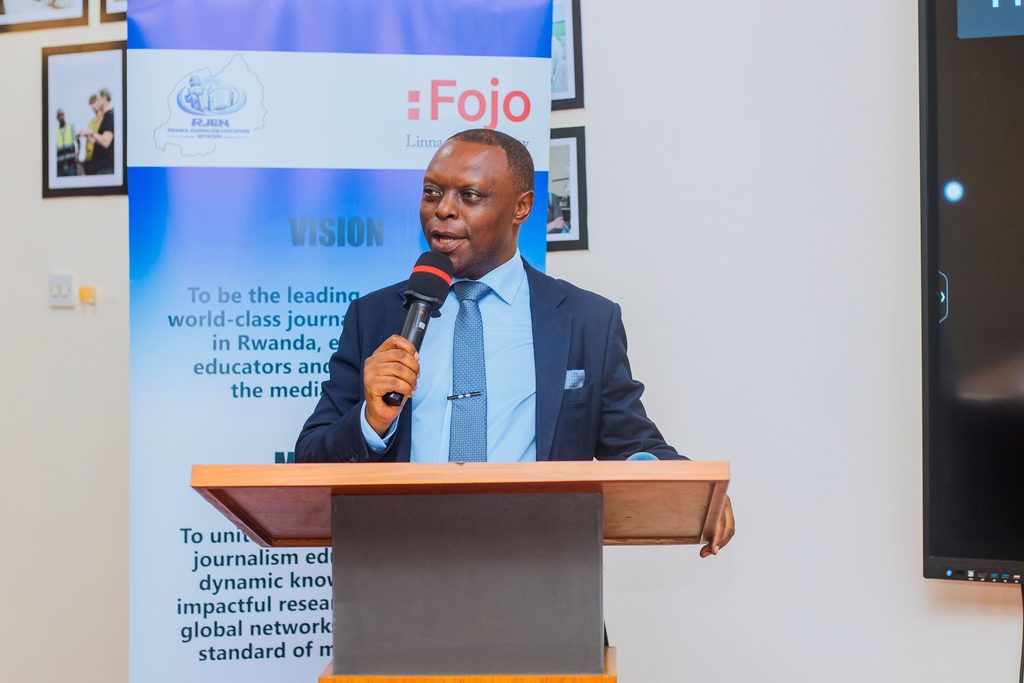
The president of the Rwanda Journalism Educators Network (RJEN) called for greater collaboration among journalism educators and media stakeholders, while urging universities to adapt to the growing use of artificial intelligence in journalism.
“The real question is how we can use AI wisely without compromising the quality of university-level education,” he said.
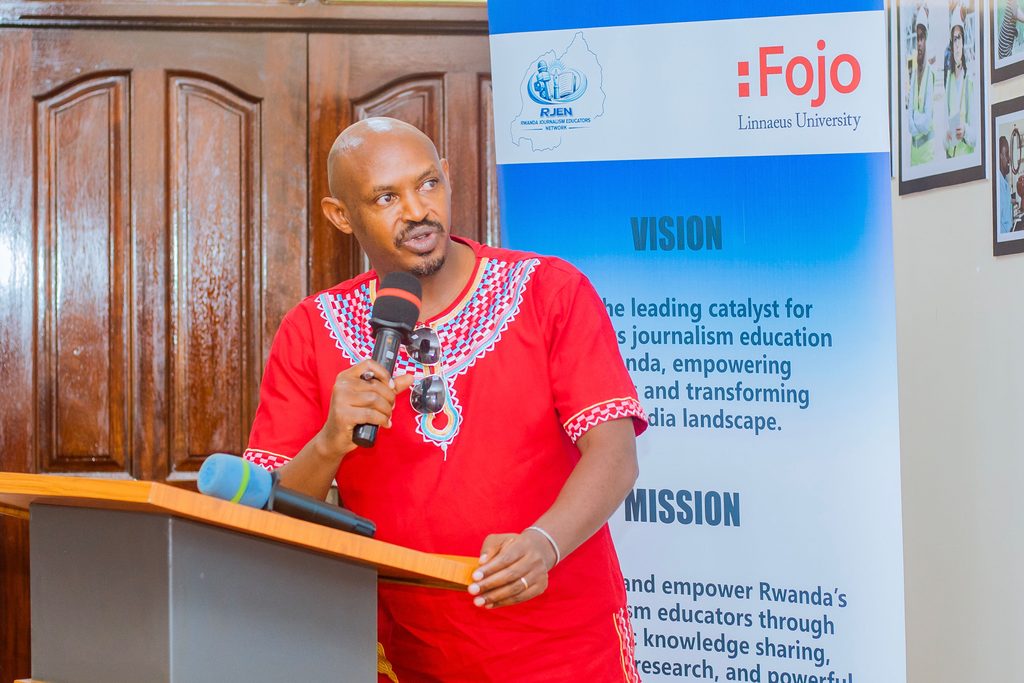
Emmanuel Mugisha, executive secretary of the Rwanda Media Commission (RMC), said working with universities could help expand media monitoring while giving students practical experience in identifying potential breaches of journalistic ethics.
“With a team of 100 students reporting on media content, monitoring becomes easier and more effective. It is a homegrown solution to promote responsibility in the media space,” Mugisha said, explaining how student participation could help the commission monitor more content than its limited staff could manage.
He said the initiative could help students understand professional standards before entering the industry while supporting efforts to promote responsible reporting.
The discussions also explored the potential use of artificial intelligence (AI) to automate parts of media monitoring, allowing journalists and regulators to focus more on analysing content and identifying ethical concerns.
Mugisha said a project proposal for AI-based technologies to support real-time monitoring had been submitted to the Ministry of ICT for consideration.
The proposal comes as media organizations and journalism educators face growing concerns over misinformation, disinformation and the changing role of digital content creators in informing the public.
Presenting Rwanda’s media landscape, Mugisha said the RMC had 480 accredited journalists, comprising 367 men and 113 women. He added that 466 journalists had expired press cards, raising concerns about compliance with accreditation requirements and professional accountability.
He also called for research and media literacy initiatives to address emerging challenges in the digital environment.
Jonas Nyman, program manager of the Rwanda Media Program, which is run by the FOJO Media Institute, said collaboration between universities and the wider media sector was essential to preparing graduates for professional work.
The partnership, he said, should help “bridge the gap between classroom and newsroom” while supporting research in media and communication.
Students at the meeting also highlighted the importance of closer ties between universities and media practitioners in preparing them for professional work.
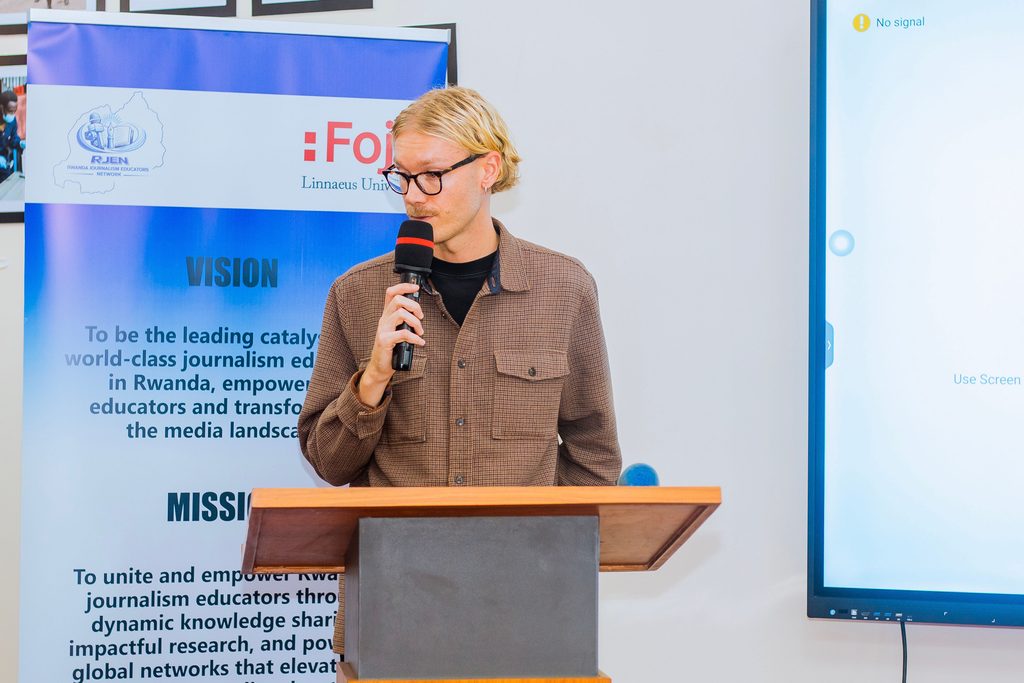
Byiringiro Patrick, a journalism student at the Institute of Catholic Kabgayi (ICK), said stronger ties between universities and media houses would help students gain practical skills and prepare for the demands of the newsroom.
“We need more practical training, mentorship and opportunities to interact with media practitioners before we graduate,” he said.
RJEN, which brings together journalism and communication educators from four Rwandan universities, was established in March 2025. The network has grown from 24 founding members to 35, according to its leadership.
At the meeting, participants adopted three key resolutions: to meet regularly, preferably twice a year; collaborate on research; and work together to promote professional journalism in Rwanda.
Proposed research areas included the application of AI in media, data journalism and visualization, media viability, gender and sexual harassment in the industry, journalists’ mental health, and the effects of outdated media laws.
Participants also highlighted the need to strengthen cooperation between universities, media houses, civil society and other partners to ensure journalism education responds to changes in the profession.
The proposed student-monitoring initiative would give journalism students an opportunity to engage with real media content while helping stakeholders identify potential ethical concerns. Its implementation, however, will depend on how the partnership is developed and put into practice.