

The rise and fall of casino culture tracing historical trends and transformations
The Origins of Casino Culture
Casino culture has deep roots that trace back to ancient civilizations. The first recorded gambling activities can be found in ancient China, where rudimentary games of chance and betting were popular among various social classes. As societies evolved, so did the concept of gambling, eventually leading to the establishment of formal gaming houses in places like Venice during the 17th century. These early casinos offered a regulated environment for patrons to engage in games such as dice and card games, setting the stage for the expansive gambling culture that would follow. Today, players can explore modern options, including the Katanaspin official website, which showcases the evolution of online gaming.
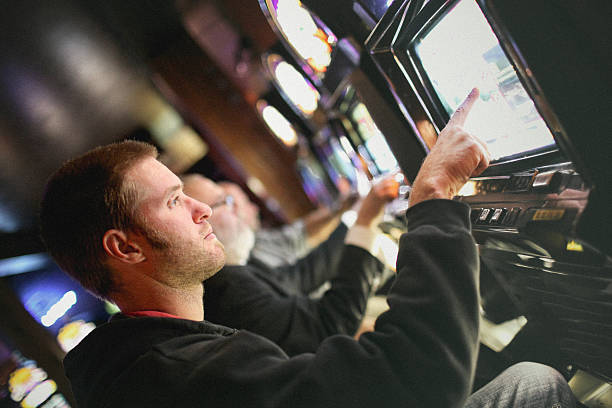
As we moved into the 19th century, casinos began to flourish in Europe and America, particularly with the rise of gaming resorts in places like Monte Carlo and Las Vegas. This period saw the transformation of gambling from a clandestine activity to a socially accepted form of entertainment, attracting tourists and locals alike. The allure of luxurious surroundings, elaborate performances, and the thrill of the games created a vibrant atmosphere that characterized early casino culture.
The Golden Age of Casinos
The mid-20th century is often referred to as the golden age of casinos. During this period, establishments like the Las Vegas Strip emerged as epicenters of gambling, showcasing extravagant shows and high-stakes games. Las Vegas transformed from a quiet desert town into a bustling entertainment capital, where glamorous casinos competed to attract customers with lavish amenities and exciting gaming options. The rise of television and Hollywood also played a significant role in romanticizing casino culture, making it a symbol of glamour and excess.
This era was marked by the popularity of games like poker, blackjack, and roulette, which drew in crowds from various demographics. The introduction of slot machines added another layer of accessibility, allowing even those unfamiliar with traditional table games to participate. As casinos grew in size and scale, so did their influence on popular culture, evident in films, music, and fashion of the time.
The Impact of Regulation and Legislation
As casino culture expanded, so did the regulatory environment surrounding it. Governments began to recognize the economic potential of legalized gambling, leading to the establishment of laws and regulations to govern the industry. This shift was particularly evident in the United States, where states started to legalize casinos in the late 20th century. The aim was not only to curb illegal gambling but also to generate revenue for local economies.
However, the introduction of regulations also brought challenges, such as concerns over problem gambling and the potential for organized crime. States had to navigate these complexities while trying to harness the economic benefits of casinos. This led to the implementation of responsible gaming measures and awareness campaigns to ensure that gambling remains a safe and enjoyable activity for all patrons.
The Decline of Casino Culture
In recent years, the casino culture has faced several challenges, leading to a perceived decline in its once-thriving popularity. The rise of online gambling platforms has shifted consumer preferences, offering convenience and accessibility that traditional casinos struggle to match. Players can now enjoy a wide array of games from the comfort of their homes, diminishing the allure of physical casino visits.
Additionally, economic factors such as recessions have impacted discretionary spending on entertainment, including gambling. The COVID-19 pandemic further exacerbated this decline as many physical casinos were forced to close, leading to a significant drop in foot traffic. As a result, traditional casinos have had to adapt by enhancing their online presence and improving the customer experience to stay competitive in a rapidly changing landscape.

Modern Innovations and the Future of Casino Culture
The future of casino culture is being shaped by modern innovations and changing consumer behaviors. Online casinos and mobile gaming have transformed how players engage with games, offering a plethora of options that cater to diverse preferences. Platforms like KatanaSpin exemplify this evolution, providing an extensive library of games combined with attractive promotions and user-friendly interfaces.
As the industry continues to innovate, responsible gaming remains a crucial focus. Casinos are now implementing advanced technologies to promote player safety, ensuring that gambling remains an enjoyable pastime rather than a harmful addiction. With ongoing trends towards integration of virtual reality and gamification, the casino experience is poised for exciting transformations that could redefine entertainment in the coming years.