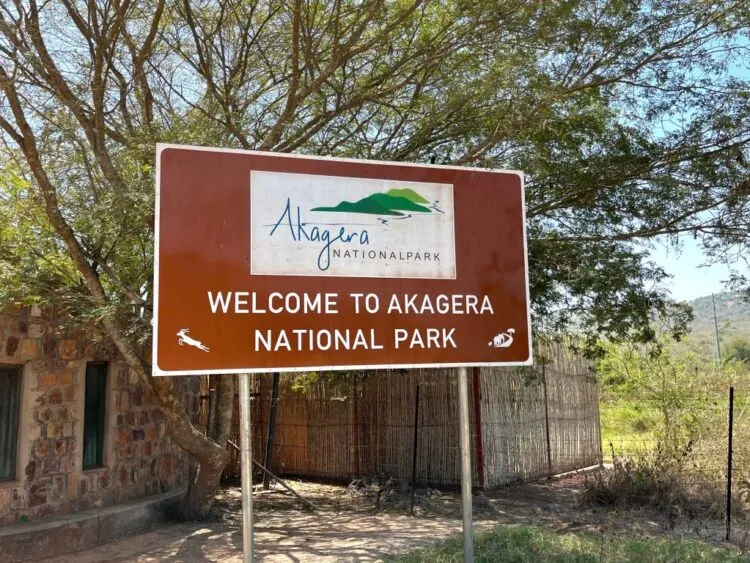

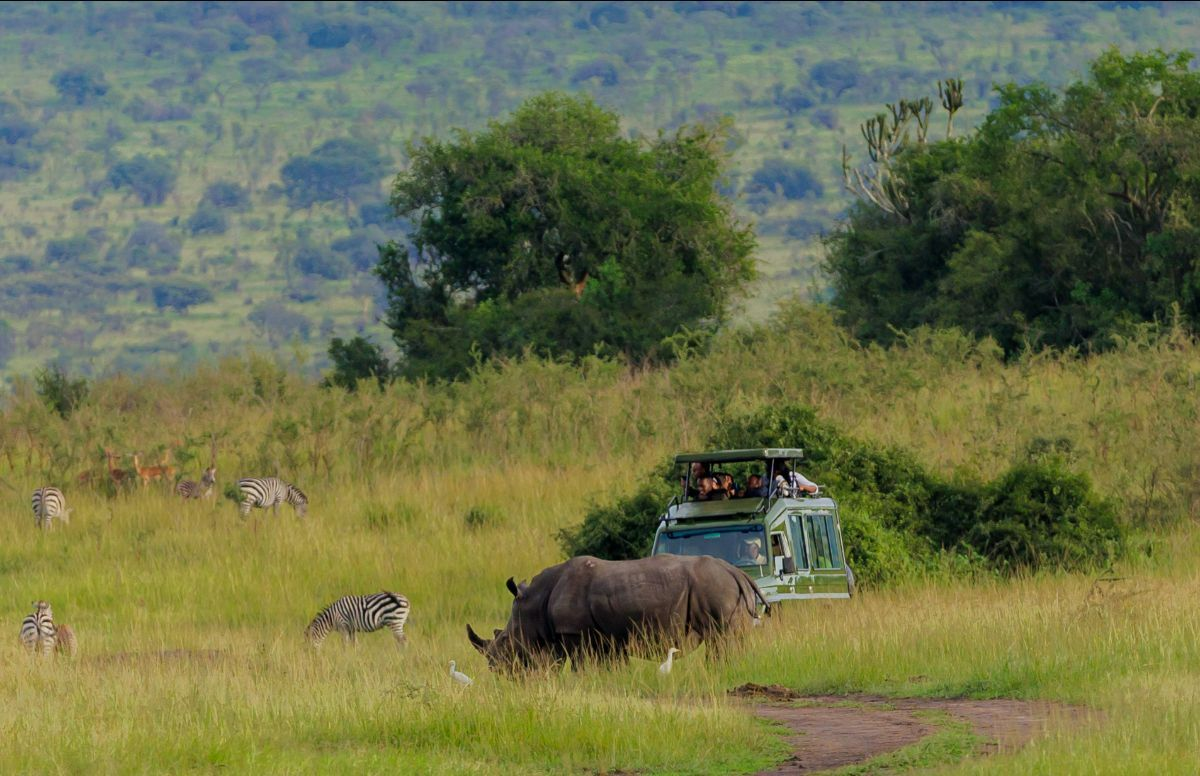
Akagera National Park has reported strong progress across conservation, tourism, and community development in the first quarter of 2026, according to its latest newsletter released by park management.
The report highlights continued growth in visitor numbers, rising revenues, expanded wildlife protection efforts, and increasing benefits for surrounding communities.
Tourism and revenue growth
During the period from January to March 2026, the park generated more than US$1.33 million in tourism and commercial revenue, representing an 8% increase compared to the same period in 2025.
Visitor numbers also rose, with over 11,700 tourists recorded, including a significant number of Rwandan nationals. According to the park, this growth reflects increased visibility of Akagera, supported by international recognition, marketing efforts by tourism partners, and continued media coverage.

The park’s inclusion among top global travel destinations and the opening of new luxury tourism infrastructure, including the Wilderness Magashi Peninsula, also contributed to increased interest.
Strengthening wildlife conservation
Conservation efforts remained a central focus during the quarter. Park teams carried out major wildlife monitoring operations, including the collaring and tracking of key species.
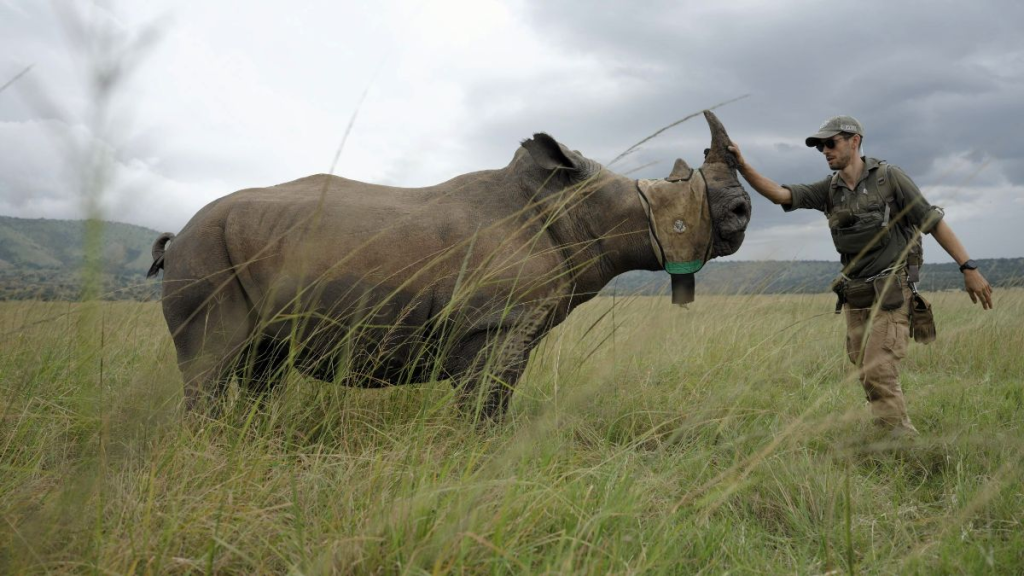
In total, GPS collars were fitted on three lions and one elephant, while 17 white rhinos and eight black rhinos were equipped with tracking devices. In addition, five lionesses were placed under contraceptive management as part of ongoing population control efforts.
The park noted that darting eight black rhinos during the operations marked a significant achievement in species management and monitoring.
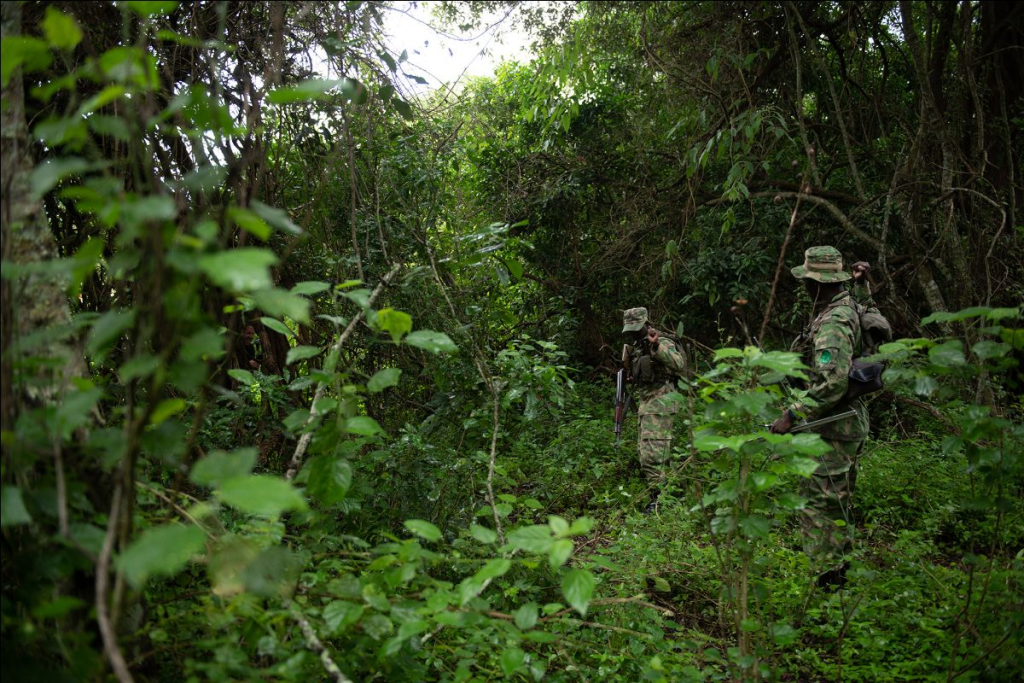
Conservation law enforcement teams also recorded nearly 5,000 field-days, conducting over 1,500 patrols covering more than 35,000 kilometres. These operations led to arrests and the removal of illegal wire snares, strengthening protection efforts across the park.
Environmental education and community engagement
Akagera’s environmental education programmes reached more than 22,500 people through school eco-clubs, conservation outreach, storytelling initiatives, and community engagement activities.
A new digital learning initiative, the Abundelo project, was also introduced in partnership with African Parks. The programme aims to expand conservation education across protected areas in Africa using digital tools.
Economic benefits for local communities
The park also reported a strong economic impact on surrounding communities. Between January and March 2026, community enterprises generated more than US$168,000, supported by activities such as fishing, beekeeping, handicrafts, guiding services, and construction cooperatives.
In addition, over US$158,000 was reinvested into local communities through park procurement. These benefits reached more than 2,900 cooperative members, many of whom also received business training to strengthen long-term sustainability.
Wildlife monitoring and rare sightings
Research teams continued monitoring wildlife populations, successfully identifying four additional elephants and bringing the total number of individually recorded elephants to 110.
The park also highlighted rare wildlife sightings, including a giant pangolin captured on a camera trap and interactions between black and white rhinos, underscoring the ecological richness of the ecosystem.
Future developments
Looking ahead, Akagera announced new visitor experiences, including behind-the-scenes tours at the Gishanda Fish Farm, which supports both conservation operations and community livelihoods through sustainable aquaculture.
The park also highlighted the continued development of Wilderness Magashi Peninsula, a luxury safari facility designed to support conservation funding while enhancing visitor experiences within the park.
Outlook
Park management said the first quarter results reflect continued progress in balancing conservation, tourism, and community development. With growing visitor numbers, expanded wildlife protection, and stronger local economic participation, Akagera continues to position itself as a leading model of sustainable park management in Africa.