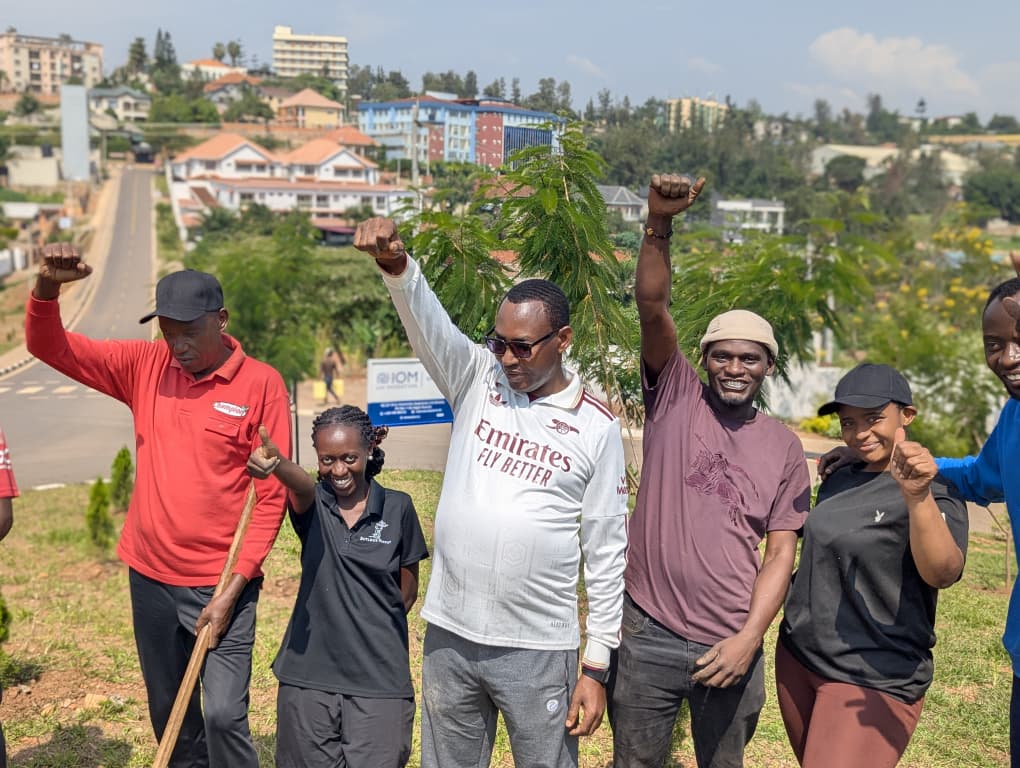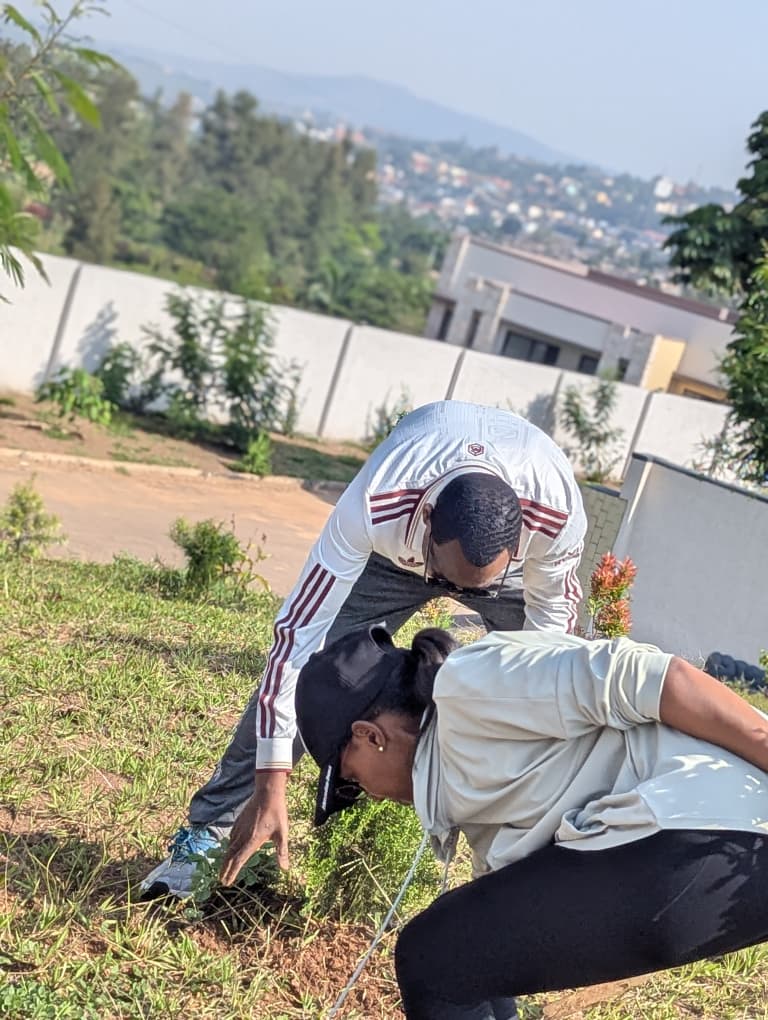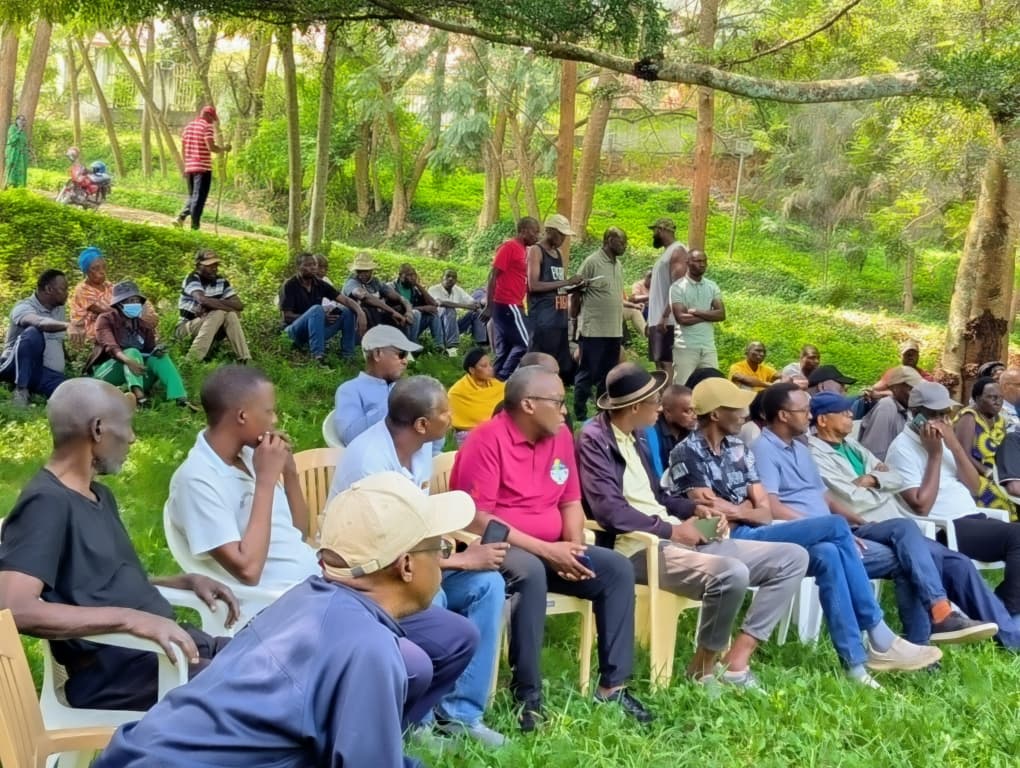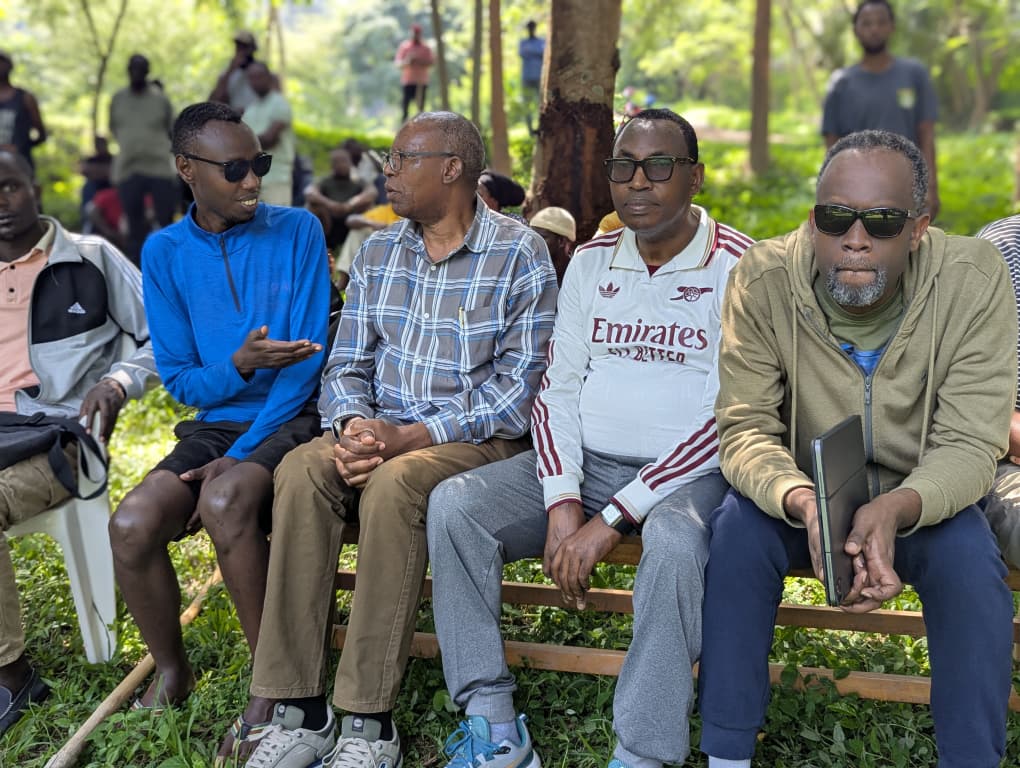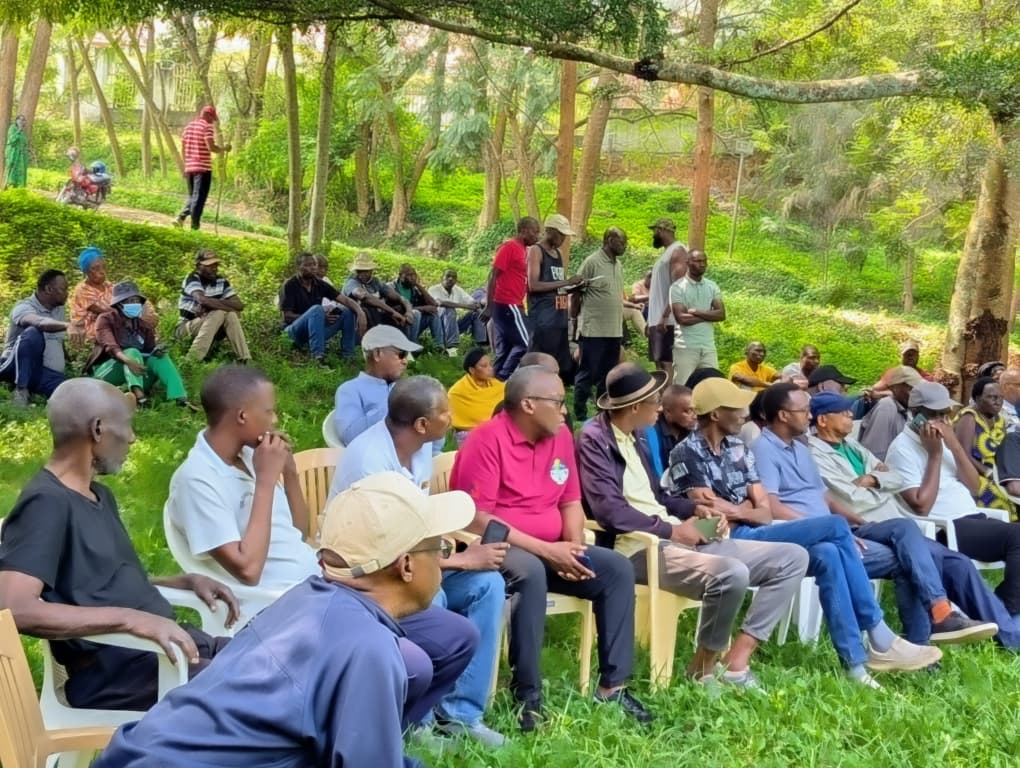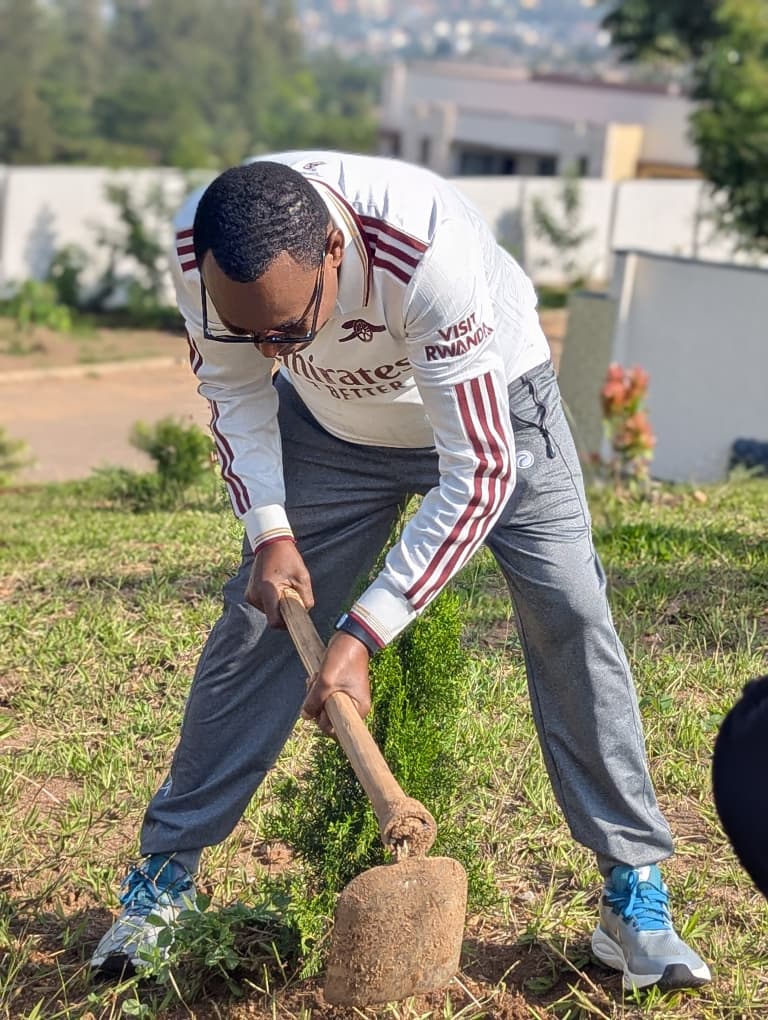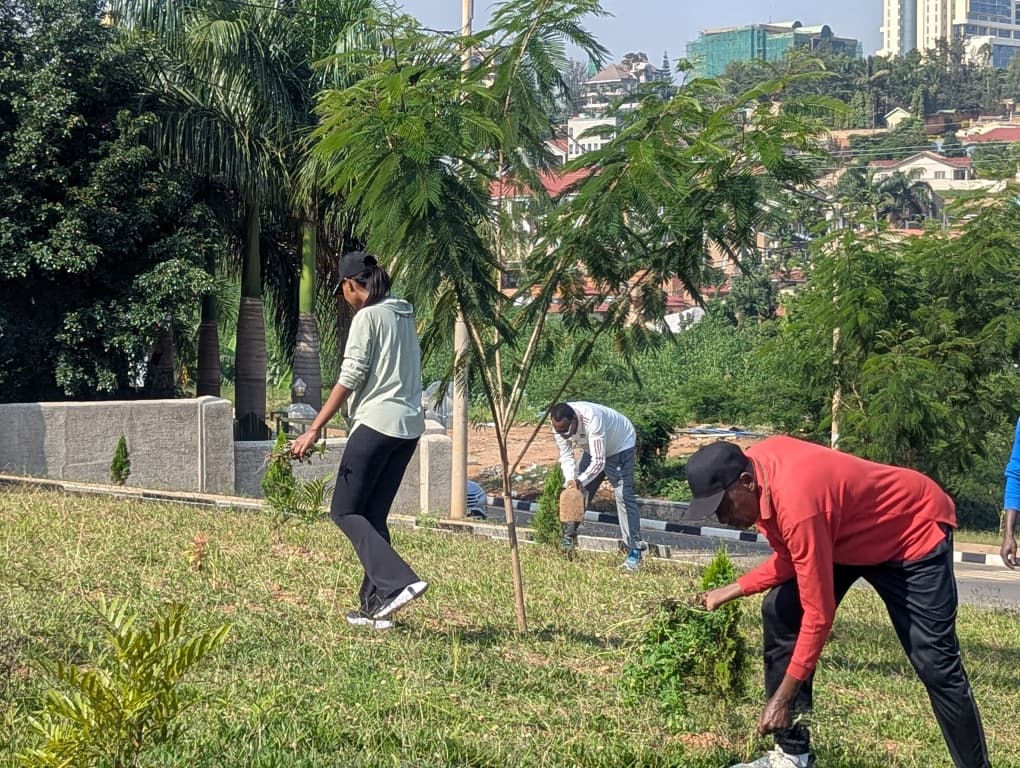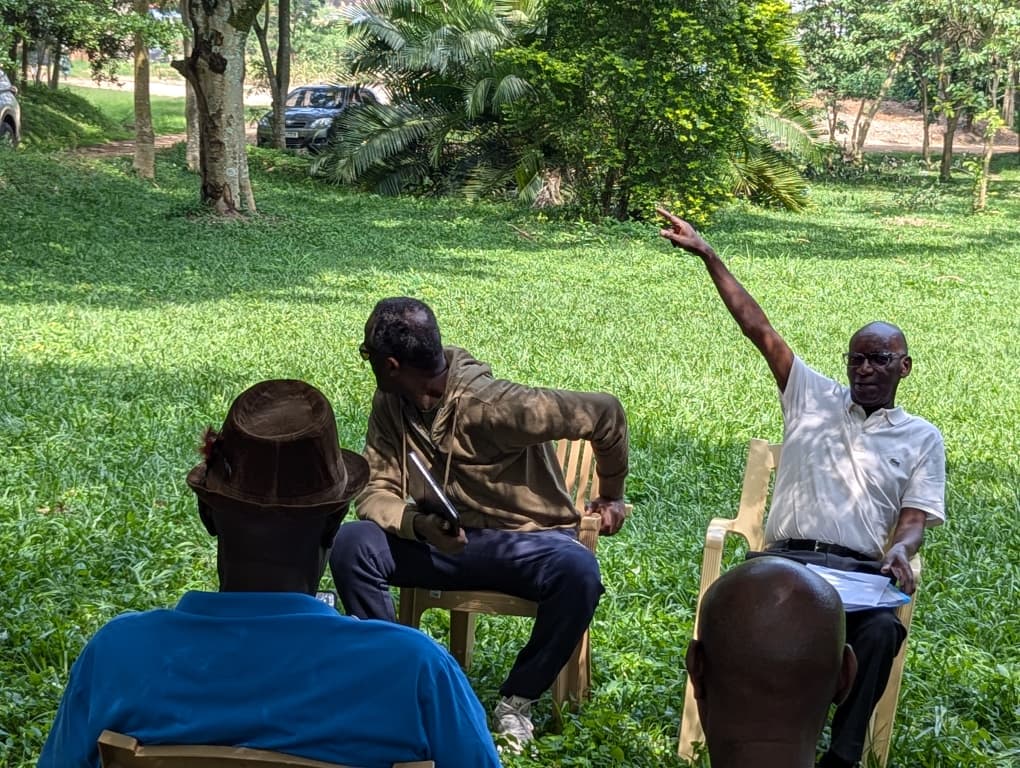

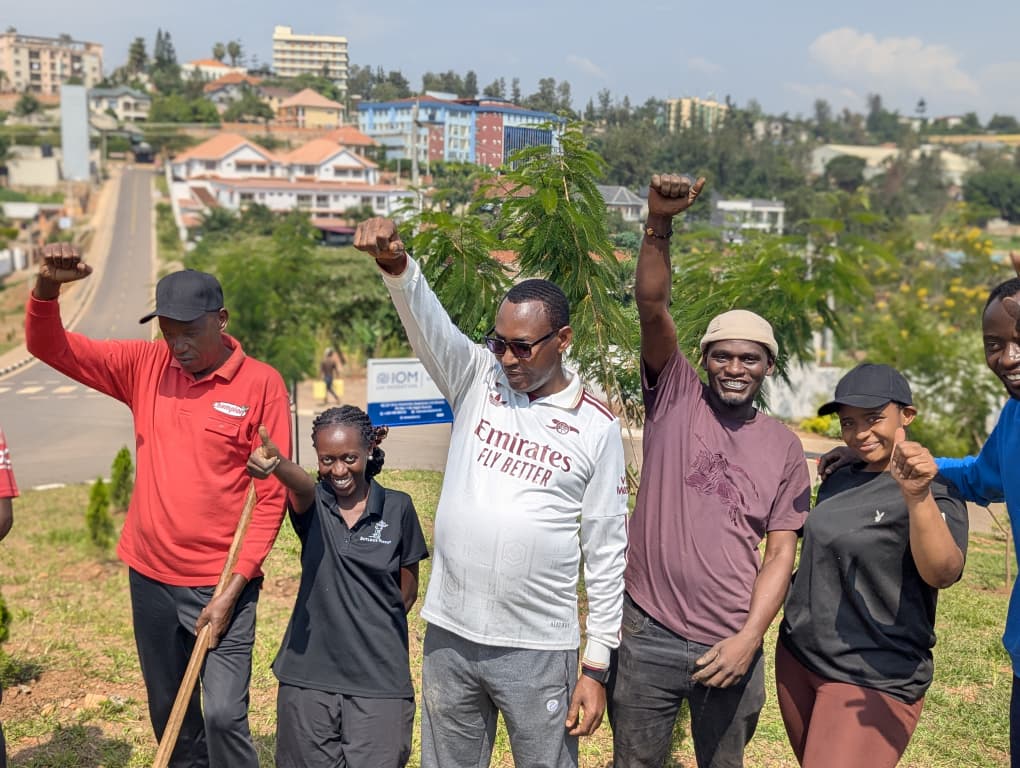
On January 31, 2026, East African University Rwanda (EAUR) joined Rwandan citizens across the country in the monthly Umuganda, a nationwide community service activity traditionally held on the last Saturday of every month. The exercise took place in Gasabo District, Remera Sector, Nyabisindu Cell, Marembo II Village.
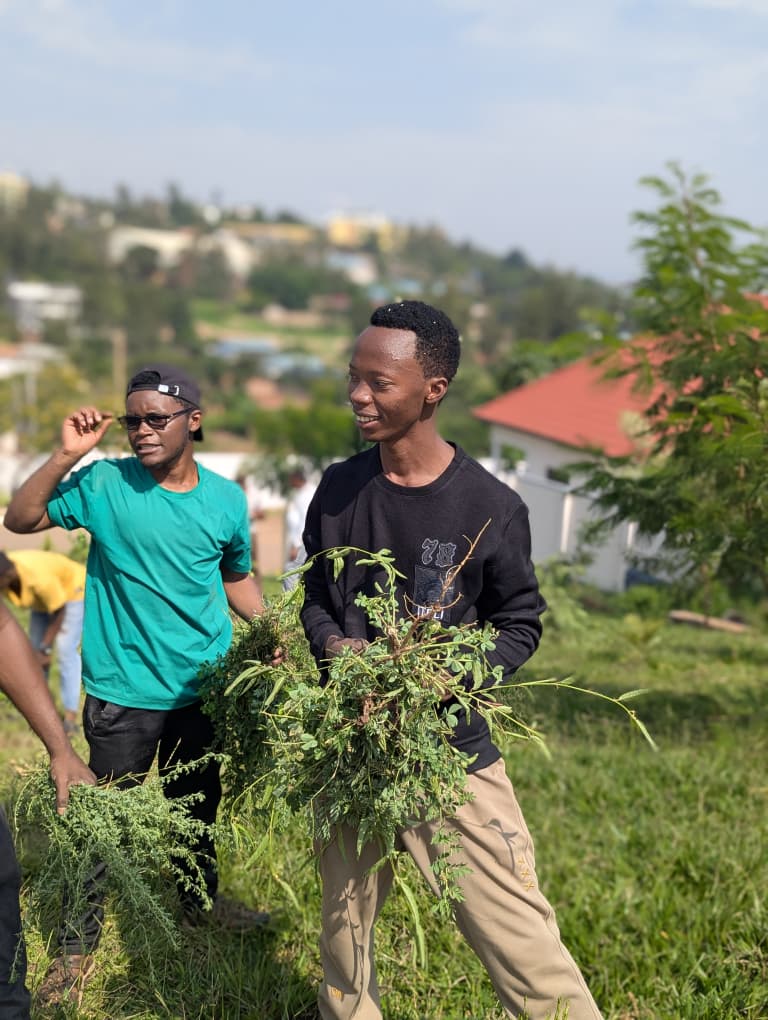
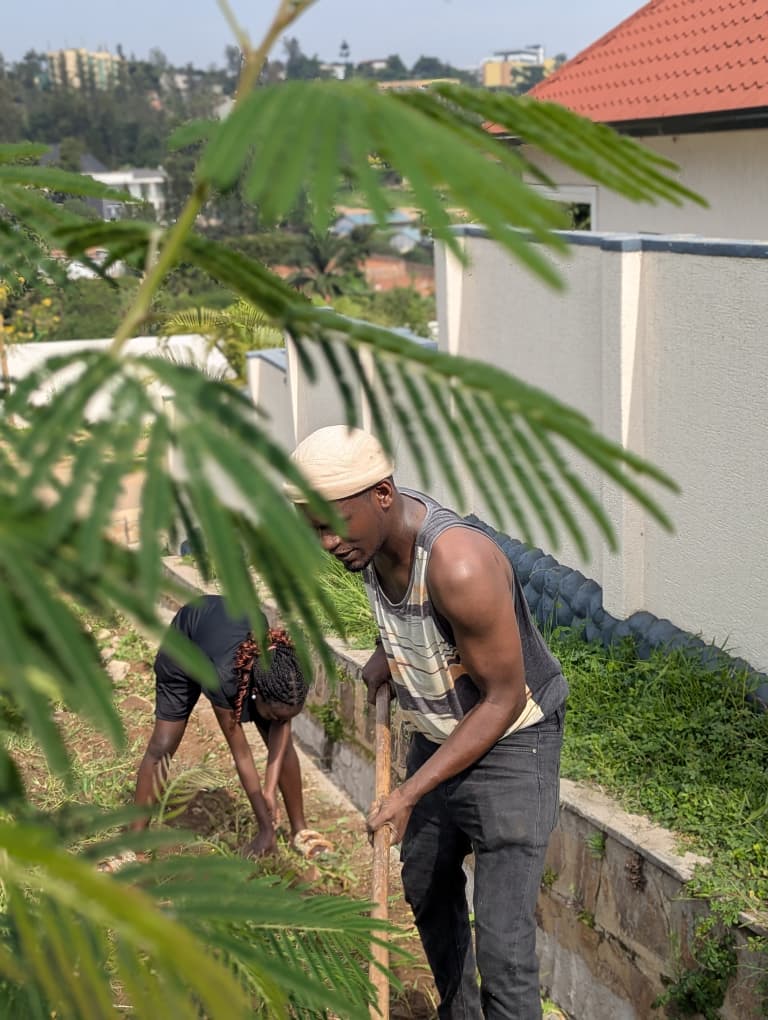
Umuganda is a unique Rwandan practice that brings together citizens from all walks of life to work collectively for the development, cleanliness, and protection of their communities. Instituted as a national program, Umuganda has become a cornerstone of Rwanda’s social cohesion, promoting values of unity, patriotism, self-reliance, and collective responsibility. Across the country, citizens engage in activities such as road construction and rehabilitation, environmental protection, cleaning public spaces, building houses for vulnerable families, and maintaining community infrastructure.
The Umuganda activity in Nyabisindu Cell was attended by the senior leadership of East African University Rwanda, led by the Vice Chancellor, Mr. Cariste Kabera, and the Director of Campus, Ms. Kabatesi Aline. Local government authorities were also represented, including the Executive Secretary of Remera Sector, Mr. Jean Kalisa, highlighting strong cooperation between academic institutions and local administration.
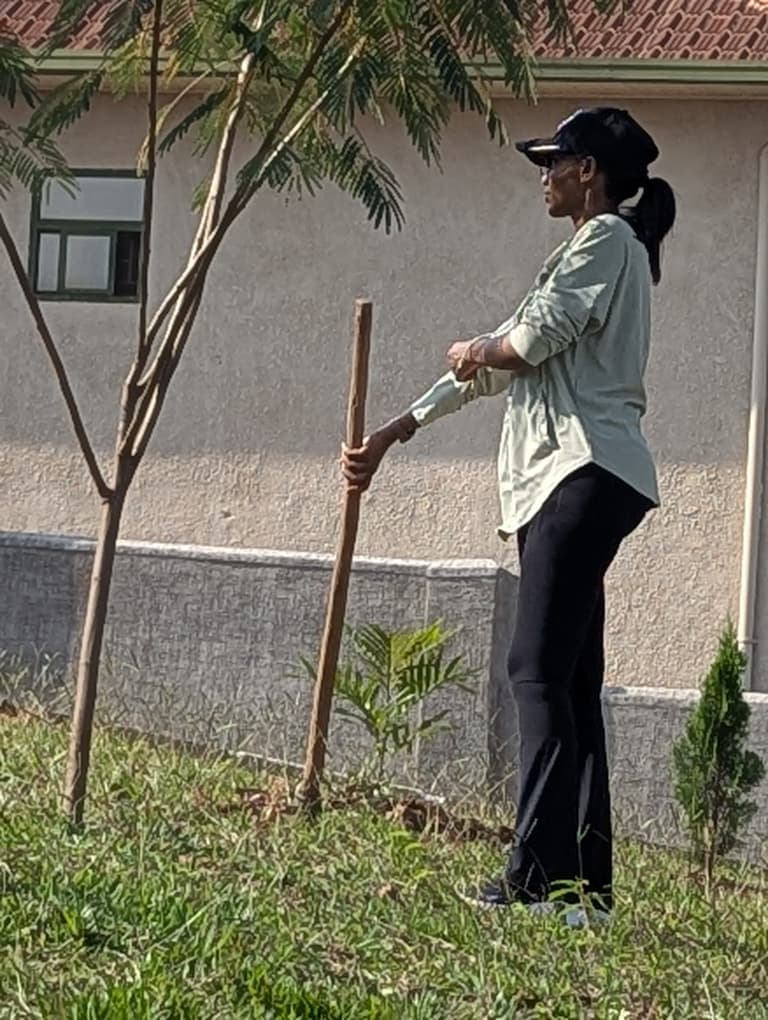
During the activity, participants worked on a garden allocated to East African University Rwanda by Nyabisindu Cell, contributing to environmental conservation and beautification of the area. The initiative reflects the university’s commitment not only to academic excellence but also to community engagement and sustainable development.
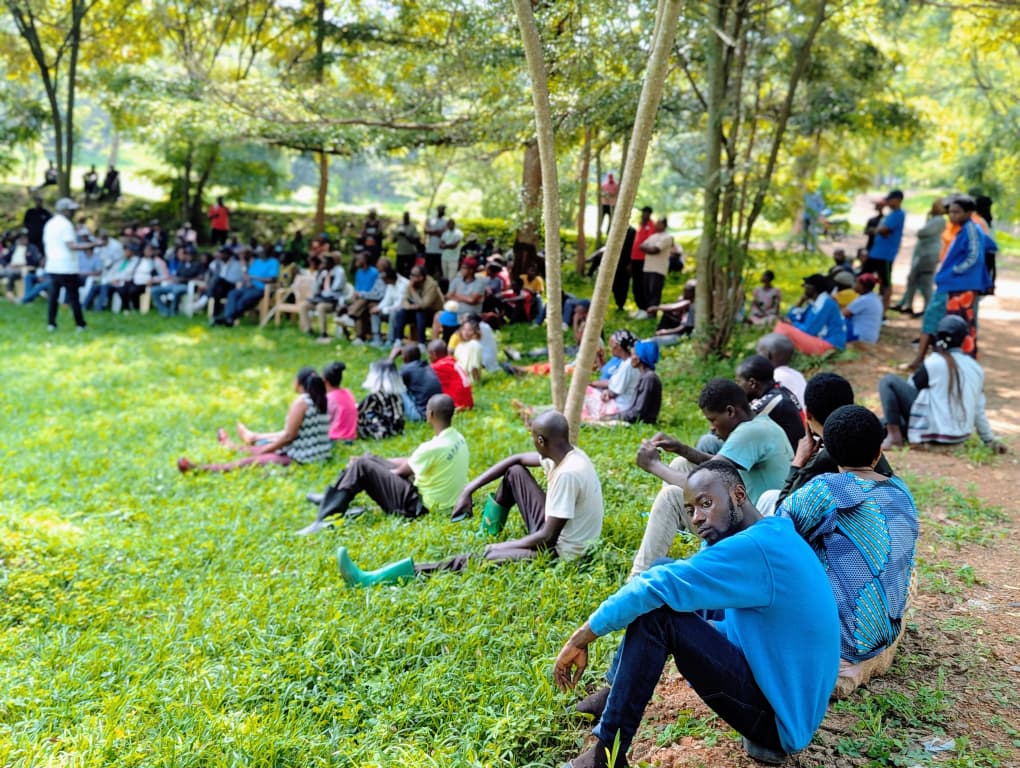
After the Umuganda, leaders addressed residents and participants, reminding them of the importance of actively participating in community development programs, particularly the “Neighbourhood Development” (Neighbourhood) initiative. This program encourages residents to jointly improve their living conditions through planned settlements, improved roads, sanitation, security, and environmental management, with the goal of making residential areas more organized, safe, and attractive.
Local leaders emphasized that Umuganda is more than a physical activity; it also provides a platform for community dialogue, where citizens receive updates on government programs, discuss local challenges, and collectively find solutions. This interactive aspect strengthens trust between citizens and leaders while ensuring inclusive development.
East African University Rwanda reaffirmed its dedication to corporate social responsibility, noting that participation in Umuganda aligns with national values and the university’s mission of producing responsible graduates who contribute positively to society. The institution pledged to continue supporting community initiatives and working closely with local authorities to promote development beyond the classroom.
The January Umuganda once again demonstrated how collective action and shared responsibility remain central to Rwanda’s development model, with institutions like East African University Rwanda playing an active role in building stronger, cleaner, and more united communities.