
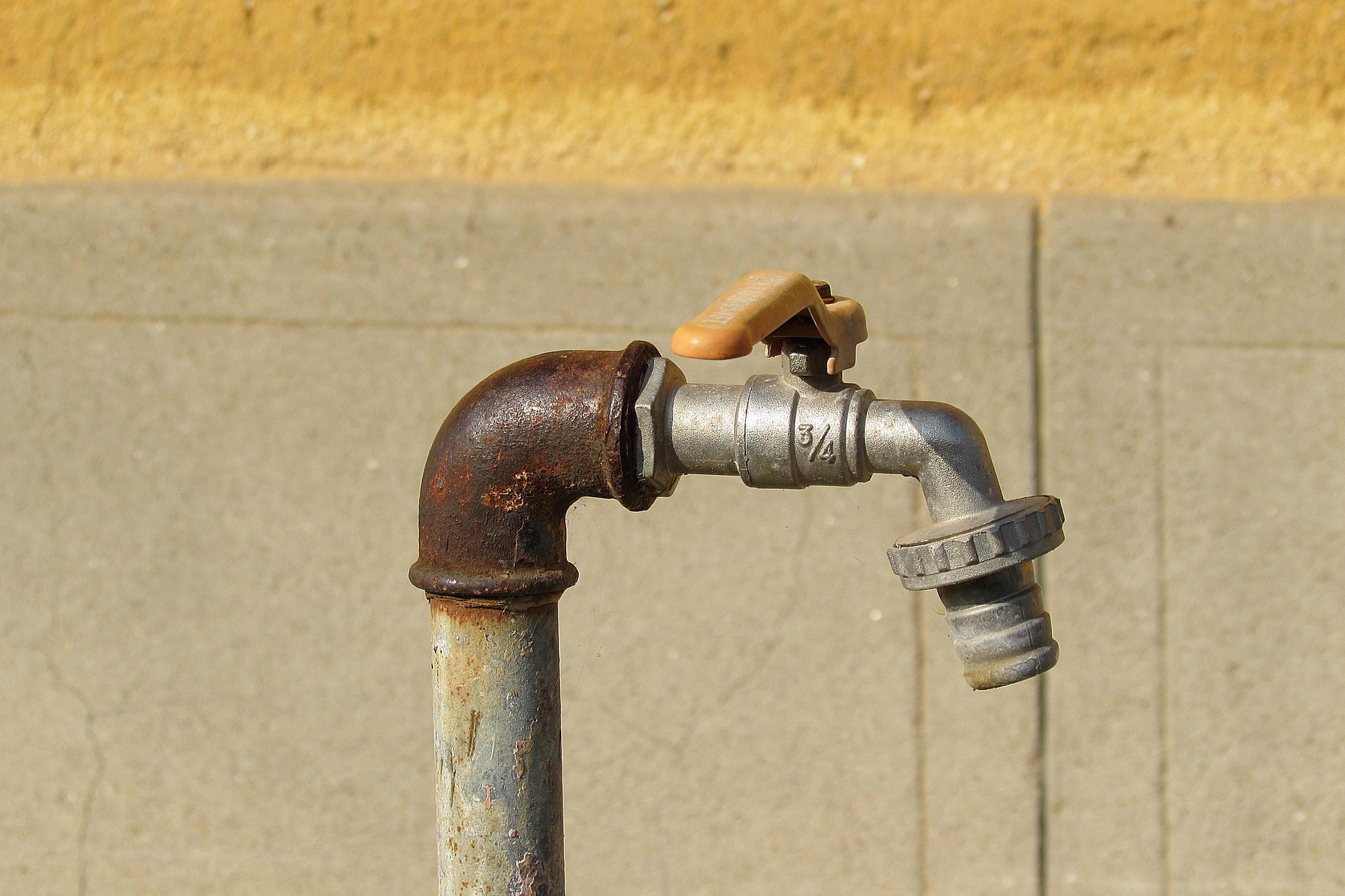
On July 29, Rwanda’s Minister of Infrastructure, Dr. Jimmy Gasore, addressed the nation through the national broadcaster RBA, shedding light on the recent sharp decline in water supply affecting many neighborhoods across the city of Kigali. His remarks followed an urgent inspection visit to Nzove and Kigali Water Treatment Plants (Kanzenze), both of which draw their water from the Nyabarongo River.
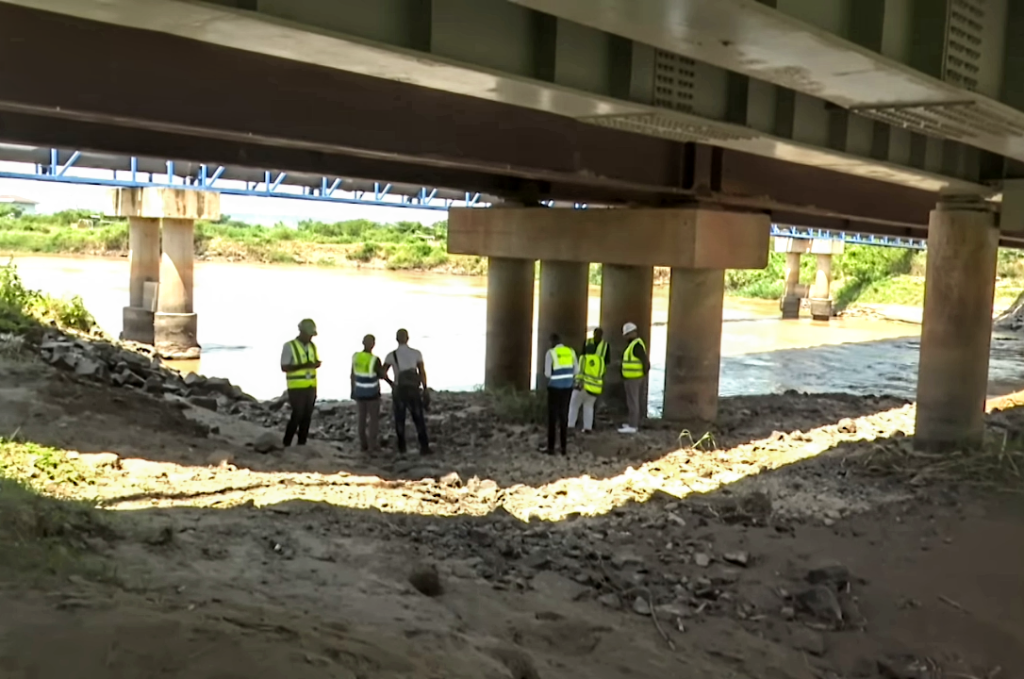
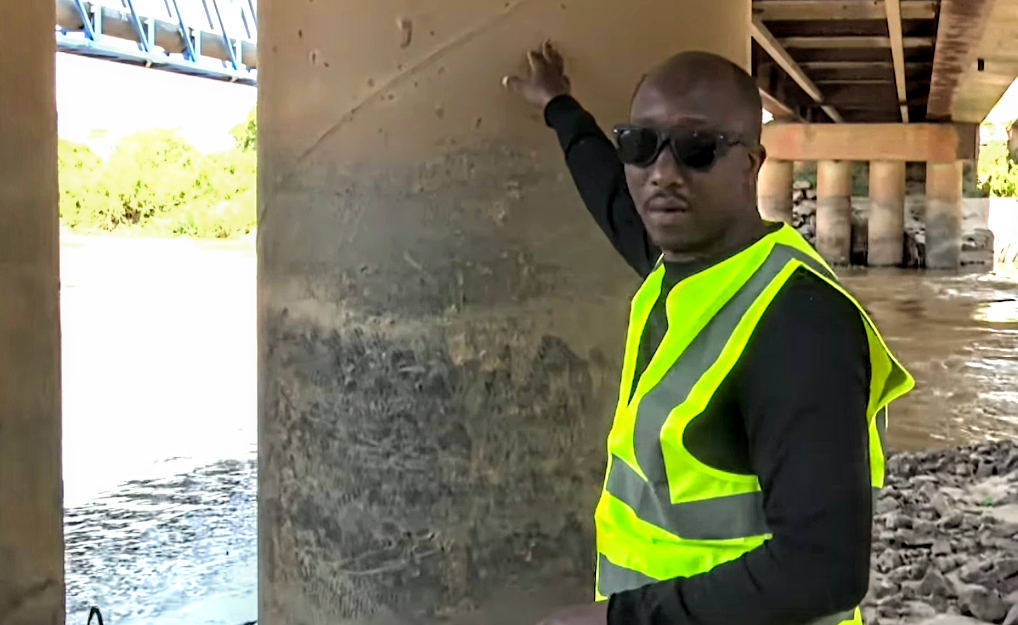
Standing on the banks of the river near Kanzenze, Minister Gasore pointed to a concrete pillar beneath a bridge, highlighting the dramatic drop in water levels. “Where we’re standing now is usually under flowing water,” he said, gesturing to a mark showing the river’s normal level. “As you can see, the water has reduced significantly.”
According to the minister, the ongoing dry season has intensified the issue. “During dry spells, water usage tends to spike, residents are watering gardens, tanks used up, and overall consumption rises. But this summer, the shortage is far worse than usual,” he explained.
Nyabarongo River at the Heart of the Crisis
The Nzove and Kanzenze plants. Kigali’s main water treatment facilities both rely on the Nyabarongo River. With its levels now severely depleted, production has been affected, triggering supply disruptions across the capital and even in neighboring Bugesera District.
Dr. Gasore noted that Kanzenze, once producing over 40,000 cubic meters daily, now produces 30,000 cubic meters and shares it with Bugesera, unlike in the past.
Government Response: Short-Term Action, Long-Term Plans
In response to growing public concern and reports of residents going weeks without running water, the government is implementing a two-pronged approach: immediate equitable distribution and long-term infrastructure upgrades.
“We are aware that some residents receive water daily, while others go two weeks without a drop. That is unacceptable,” said the minister. “We’ve established special task teams that will go neighborhood to neighborhood to assess the supply and ensure fairness. Residents will also be informed in advance about water availability in their areas.”
The long-term solution, Gasore said, lies in ongoing infrastructure projects. Chief among them is the upcoming Karenge water treatment plant, expected to significantly boost water supply for both Kigali and Rwamagana within the next two years.
“We are also planning to upgrade Nzove’s capacity from 80,000 cubic meters to 120,000 cubic meters daily,” he added.
An Unequal Past, A Balanced Future
Addressing past infrastructural imbalances, Minister Gasore emphasized that the current challenges are also a reflection of previous inequities in the city’s water distribution systems.
“This is the first time we’re addressing the issue this deeply. It’s a learning process, and we will continue monitoring and updating the public as we go,” he promised.
As Kigali battles its water woes, the government promises fairer distribution and long-term fixes, but for many, the wait for water continues.