

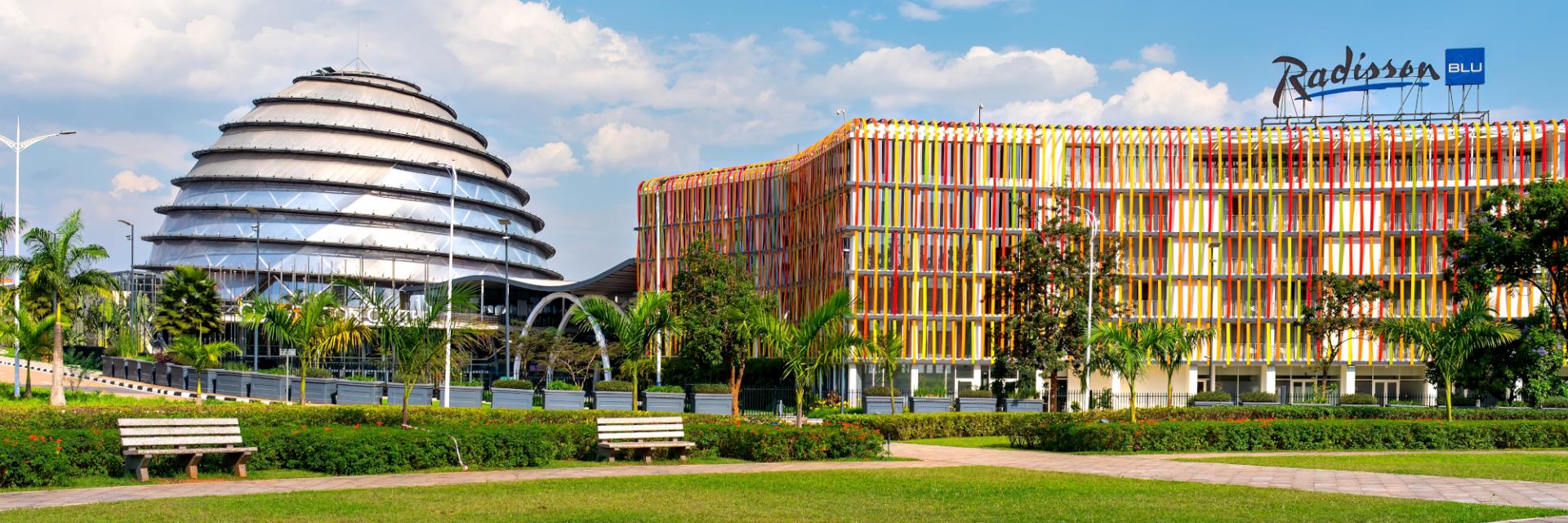
In the hillside neighborhoods of Kigali, the Sustainable Development Goals (SDGs) are not confined to policy documents or high-level discussions. Instead, they are reflected in the everyday lives of residentsin cleaner streets, improved services, and growing economic opportunities. While the United Nations introduced the 17 SDGs as a global framework, Kigali has translated them into practical, people-centered outcomes that are visible across the city.
One of the most immediate impacts can be seen in public health and sanitation. Through community-led initiatives such as Umuganda, residents actively participate in maintaining cleanliness and improving their neighborhoods. This collective effort has contributed to healthier living conditions, reduced disease outbreaks, and a stronger sense of civic responsibility. Clean streets and well-managed waste systems are not just environmental achievements; they directly improve quality of life for thousands of families.
Access to clean water and proper waste management has also transformed daily living conditions. In areas that once struggled with sanitation challenges, households now benefit from improved water systems and structured waste collection practices. These developments support healthier communities while restoring dignity to residents who previously faced the risks associated with poor sanitation. The changes may seem simple, but their impact is profound and long-lasting.
Economic empowerment, particularly among young people, is another visible outcome of SDG implementation. Across Kigali, youth are increasingly engaging in entrepreneurship, innovation, and vocational activities. With support from training programs and access to digital platforms, many are creating their own employment opportunities rather than relying solely on traditional job markets. This shift is gradually reshaping the city’s economic landscape and fostering a culture of innovation.
Gender inclusion has also become a defining feature of Kigali’s development. Women are playing a more active role in business, leadership, and community initiatives. Through financial inclusion programs and cooperative structures, many women have gained economic independence, which in turn strengthens household welfare and supports broader social development. This progress reflects a deeper transformation in how opportunities are distributed within society.
Environmental sustainability is increasingly integrated into urban life. Green housing projects, renewable energy solutions, and climate-conscious planning are becoming part of the city’s growth. Residents are not only benefiting from improved living conditions but are also contributing to a broader effort to reduce environmental impact. This balance between development and sustainability positions Kigali as a forward-looking city in the face of global climate challenges.
Despite these achievements, challenges remain. Rapid urbanization continues to place pressure on housing, infrastructure, and service delivery. Some communities still face barriers in accessing the full benefits of development. However, Kigali’s commitment to inclusive planning and long-term strategies suggests a continuous effort to address these gaps.
Ultimately, the implementation of the 17 SDGs in Kigali is best understood not through policy frameworks alone, but through the lived experiences of its people. The progress is evident in everyday realities in healthier environments, expanding opportunities, and a growing sense of shared responsibility. In Kigali, sustainable development is no longer an abstract goal; it is a tangible and evolving part of daily life.