

Navigating online casino decision making requires more than luck or intuition—players are influenced by digital design, rapid-fire gameplay, and the adrenaline that comes with high-risk environments. Whether spinning virtual slots or making split-second bets at a live dealer table, Australian players encounter a blend of psychological, environmental, and technological forces that shape every wagering choice. Understanding these dynamics unlocks deeper insights into what drives behaviour in contemporary online casinos.
Introduction to Decision Making in Online Casino Environments
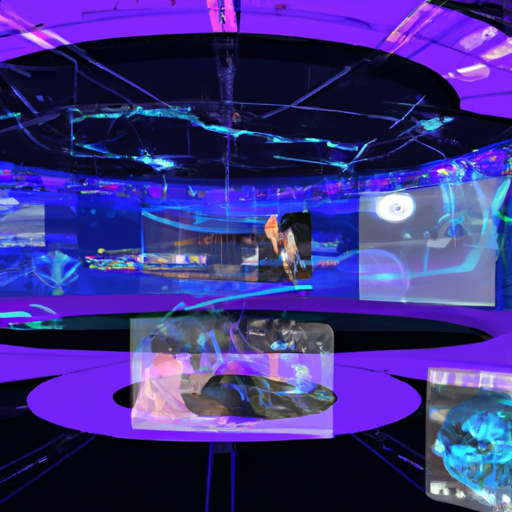
Decision making within online casino platforms is a multidimensional process, fundamentally shaped by the digital interface and the immediacy of high-stakes wagering. Unlike traditional brick-and-mortar venues, online environments accelerate gameplay, allowing for instant participation and rapid bet placement. The user interface design, with its vibrant graphics and seamless navigation, invites players to make quick choices, often without the tactile pause offered by physical chips or cards. This immediacy heightens both excitement and risk, prompting players to respond more impulsively to visual cues and promotional nudges. For many, the potential for big wins—delivered in real time—fuels a cycle of anticipation and split-second decision making.
Player Mindset Under High Stakes
High-stakes gaming amplifies emotional responses and personal risk tolerance, creating a unique psychological landscape. Players chasing substantial payouts often experience heightened adrenaline and stress, which can cloud judgement or lead to riskier bets. Some individuals thrive under this pressure, viewing it as a test of nerve and skill, while others may become more conservative, opting for strategies that minimise losses over time. Emotional triggers such as frustration from a losing streak or euphoria after a big win can override initial plans or betting limits. For instance, a player who doubles down after a loss, convinced a reversal is imminent, is responding to psychological impulses rather than calculated logic.
Cognitive Biases and Heuristics in Online Gambling

The human brain relies on mental shortcuts—known as heuristics—to process complex decisions quickly, particularly in fast-paced online casino environments. Common cognitive biases include the gambler’s fallacy, where players erroneously believe past outcomes influence future results. For example, after seeing red appear several times on a roulette wheel, a player might assume black is ‘due’ to come up, despite each spin being independent. The illusion of control is another prevalent bias: players may believe their skill or strategy can overcome pure chance in games like slots, leading to overconfidence and increased risk-taking. These biases not only affect individual plays but can also influence long-term gaming habits.
Environmental Factors Shaping Casino Choices
Online casino platforms leverage a variety of design elements to guide player choices and engagement levels. Visuals are meticulously crafted to be vibrant and inviting, while sound cues such as coin drops or jackpot bells reinforce the thrill of winning. Reward systems—like loyalty points, bonuses, and gamified challenges—encourage sustained play and frequent returns. Community features, such as shared jackpots or leaderboard competitions, foster a sense of belonging and friendly rivalry. Collectively, these environmental factors create an immersive atmosphere that nudges players toward certain behaviours, often increasing the frequency and size of wagers.
| Design Element | Impact on Player Decision |
|---|---|
| Sound Effects | Heightens excitement, signals wins, prompts further play |
| Loyalty Rewards | Encourages repeat betting, increases session length |
| Community Jackpots | Fosters group excitement, boosts risk-taking |
Real-Time Information and Adaptive Strategy
Modern online casinos provide players with continuous streams of up-to-the-second data—live odds, changing jackpots, and updated leaderboards. In live dealer games, the presence of real-time interactions and visual cues from actual dealers simulates a realistic casino ambiance while simultaneously enabling players to adapt their strategies on the fly. For example, a blackjack player may adjust their bet size based on the dealer’s recent outcomes, or a sports bettor might increase their stake after seeing favourable odds shift mid-game. Access to real-time information empowers agile decision making, but can also lead to more reactive, less deliberative betting patterns.
Social Influence and Community Dynamics
Online casinos are no longer solitary experiences. Multiplayer tables, in-game chat, and community leaderboards have introduced a powerful social component. Observing others’ wins or losses, participating in group challenges, or chatting with fellow players can all influence individual behaviour. For instance, seeing a peer consistently succeed may inspire players to increase their stakes in pursuit of similar results, or to mimic strategies perceived as successful. Conversely, community support during a losing streak can encourage perseverance or riskier bets as players seek group validation. In these environments, peer influence becomes another variable in the complex calculus of risk and reward.
Probability Perception and Risk Assessment
How players interpret odds and randomness profoundly affects their decision making in online casino games. Many overestimate their ability to predict outcomes or misunderstand the role of volatility in games like slots or roulette. For example, players may view a ‘hot’ slot machine as more likely to continue paying out, despite every spin remaining statistically independent. Misjudging probability can lead to both overconfidence and excessive caution, depending on the individual. Educated players who understand house edge and return-to-player (RTP) percentages, however, often develop strategies that balance entertainment with more sustainable risk-taking.
- Randomness Misconception: Belief in ‘streaks’ or ‘due’ outcomes
- House Edge Awareness: Informs safer, more strategic play
- Volatility Understanding: Helps players set realistic win/loss expectations
Industry Innovations and the Evolving Player Experience
Technological advancements are rapidly reshaping online casino decision making and the player mindset. Artificial intelligence now powers highly personalized recommendations, suggesting games that align with a player’s preferences and betting patterns. Virtual reality environments immerse users in lifelike casino settings, heightening the realism and emotional investment. These innovations not only enhance engagement but also pose new challenges for responsible gambling, as hyper-personalized experiences can deepen immersion and, potentially, risk exposure. For Australian players, the integration of localised content and payment systems further tailors the online casino experience to regional preferences and expectations.
Reflective Insights on Player Agency in High-Risk Digital Gaming

A nuanced understanding of player agency reveals a constant interplay between personal choice, game design, and the responsibility of both operators and individuals. While modern platforms offer transparency—such as visible odds and self-exclusion tools—game mechanics and environmental cues still subtly drive behaviour. Empowered players approach online casino decision making with an awareness of both their psychological tendencies and the external factors at play. Ultimately, a balanced mindset—combining entertainment with informed risk management—remains the cornerstone of a healthy relationship with high-risk digital gaming environments.